

Out-of-Home Ads
Out-of-Home
Most people who visit your site leave without buying. Remarketing brings the ones worth chasing back, at a lower cost per conversion than cold traffic — provided the audiences are segmented properly and you stop showing the same ad to the same person for six weeks.
Quick Answer
Remarketing is advertising to people who have already interacted with your business. They visited a product page, started a checkout, watched a video, or opened an email. Because they already know who you are, the cost per conversion is usually well below what you pay on cold traffic, which is why remarketing tends to be the most efficient line in a paid media account. It is also the easiest to run badly. The default setup on most platforms lumps every visitor into one audience and shows them the same creative until the budget runs out, which annoys the people who were never going to buy and wastes impressions on those who already have.
Platforms Covered
In Business Since
Team
Based In
Our Remarketing Agency Services in Auckland
Six to ten behaviour-based audiences across recency bands rather than one blanket all-visitors pool, with budget weighted toward the smallest and highest-intent segments and converters excluded automatically.
GA4 event validation, Meta Conversions API, Google Consent Mode and server-side tagging configured before any spend, so audiences and conversion reporting reflect what is actually happening.
Product feed setup through Google Merchant Center and Meta Commerce Manager so returning visitors see the exact items they viewed, with feed health monitoring to catch disapprovals and price mismatches.
Caps of roughly three to five impressions per person per week per audience, with frequency and click-through rate tracked together so creative is refreshed before performance collapses rather than after.
Google, Meta, YouTube and where justified LinkedIn run as one programme with shared exclusions, so a single visitor is not being served four versions of the same message on the same afternoon.
Hashed customer list uploads for cross-sell and win-back campaigns, which usually deliver the strongest return in the account because the economics of an existing customer are entirely different.
Selected Work
Out-of-Home Ads
Out-of-Home

Outdoor Campaign
Outdoor Campaign

Brand Identity
Brand System
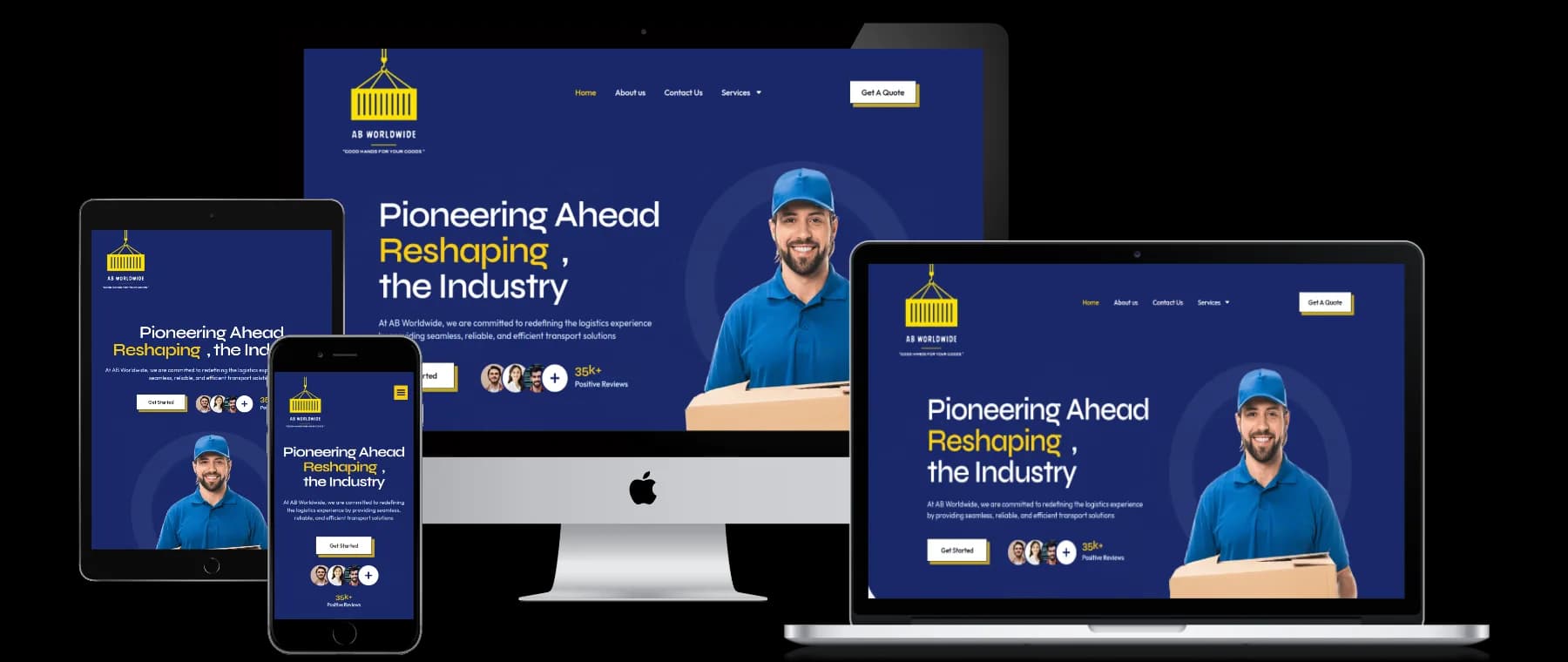
Web Development
Multi-Device Web

Guerilla Marketing
Guerilla Concept
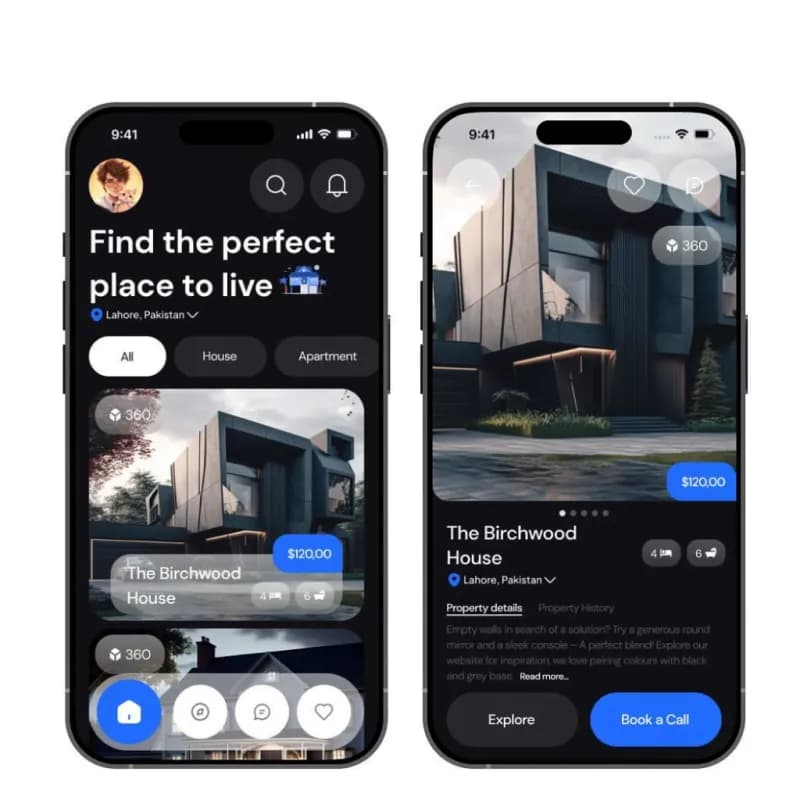
UX / UI Design
PropTech App

Social & Creative
Fitness Creative

Packaging Design
Packaging Design

Mobile UX
Smart Home App

Print Advertising
Print Advertising

The first two weeks are measurement, not media. We check what is actually firing: GA4 events, the Meta pixel and Conversions API, Google Ads conversion tags, and whether consent state is being passed correctly. We look for the usual faults — duplicate purchase events inflating reported conversions, a pixel missing from the checkout confirmation page, audiences defined on a page view that no longer exists after a site rebuild. Until this is clean, every audience you build is built on sand, and the platforms will optimise toward the wrong signal.
Then we build the audience taxonomy. Typically that is six to ten audiences across recency bands: cart abandoners at one, three and seven days; product or service page viewers at fourteen and thirty days; pricing or contact page visitors, which are usually the highest-intent segment for service businesses; past customers for cross-sell and reactivation; and a broad all-visitors pool at ninety days for low-cost brand presence. Each audience gets an exclusion rule for converters, and overlapping audiences get exclusion logic between them so a cart abandoner is not also being served the generic brand ad.
Creative rotation is where most programmes quietly fail. A retargeting ad shown to a small audience burns out fast because the same few thousand people see it repeatedly. We cap frequency at roughly three to five impressions per person per week per audience, watch frequency and click-through rate together, and refresh creative monthly rather than waiting for performance to collapse. When CTR falls while frequency climbs, that is fatigue, not a targeting problem, and adding budget makes it worse. We report on that explicitly so you can see when a refresh is due.

New Zealand audience sizes are the first constraint people underestimate. An Auckland service business might get two to four thousand site visitors a month, which after segmentation leaves individual audiences of a few hundred people. Some platforms will not serve to audiences below a minimum size, and small pools burn out quickly on frequency. The practical response is longer lookback windows than an overseas playbook would suggest, fewer and broader segments than a large market would support, and realistic expectations about how much incremental revenue a small pool can produce. Anyone applying a US e-commerce structure to a Ponsonby retailer will end up with half the audiences unserved.
The second local reality is seasonality and buying cycles. Retail here is compressed around Christmas and the back-to-school period, professional services slow markedly over January, and the trades and construction market moves with the building season. Remarketing windows should reflect that. A ninety-day window for a home renovation business in Henderson makes sense because the decision cycle really is that long; the same window for a takeaway food promotion in Newmarket is pointless. We set recency bands from your actual time-to-purchase data in GA4 rather than a default.
On consent and comfort: New Zealanders notice retargeting and talk about it. Being followed around the internet by an ad for a mattress you already bought is a brand problem, not just a wasted impression. Converter exclusions, frequency caps and a hard end to the retargeting window are as much about brand protection as efficiency. Under the Privacy Act 2020 you also need to be able to explain what you collect and why, so we make sure the privacy policy and consent banner actually describe what the tags do rather than carrying boilerplate copied from somewhere else.
Privacy has reshaped how this all works. The Privacy Act 2020 governs how New Zealand businesses collect and use personal information, and both Google and Meta require you to obtain and pass consent signals for tracking. In practice that means a functioning consent banner, Google Consent Mode configured properly, and server-side tracking through the Conversions API or Google's server-side tagging to recover signal lost to browser restrictions. Sites that skipped this step usually see audience sizes shrink and conversion reporting drift out of line with their actual sales. We fix the measurement layer before we spend anything, because remarketing on broken data is guesswork with a budget attached.
Why Choose Us
The work that makes the difference is segmentation. Someone who abandoned a full cart yesterday and someone who bounced off your homepage six weeks ago are not the same prospect and should not see the same ad. We build audiences around behaviour and recency: cart abandoners, product viewers, pricing page visitors, past customers, video watchers, and general site traffic, each with its own time window. Converters are excluded automatically so you are not paying to advertise a product to someone who bought it last week. Budget then follows intent, with the largest share going to the smallest and warmest segments rather than being spread evenly across everyone who ever loaded a page.
Six to ten behaviour-based audiences across recency bands rather than one blanket all-visitors pool, with budget weighted toward the smallest and highest-intent segments and converters excluded automatically.
GA4 event validation, Meta Conversions API, Google Consent Mode and server-side tagging configured before any spend, so audiences and conversion reporting reflect what is actually happening.
Product feed setup through Google Merchant Center and Meta Commerce Manager so returning visitors see the exact items they viewed, with feed health monitoring to catch disapprovals and price mismatches.
Caps of roughly three to five impressions per person per week per audience, with frequency and click-through rate tracked together so creative is refreshed before performance collapses rather than after.
Google, Meta, YouTube and where justified LinkedIn run as one programme with shared exclusions, so a single visitor is not being served four versions of the same message on the same afternoon.
Hashed customer list uploads for cross-sell and win-back campaigns, which usually deliver the strongest return in the account because the economics of an existing customer are entirely different.
Industries
Kiwitech works with Auckland and wider New Zealand businesses across 25+ industries, but four verticals dominate our roster: property (Auckland developers, apartment launches, agency networks), education (private schools, tertiary providers, edtech), healthcare (specialist groups, dental and dermatology clinics, allied-health practices), and food and beverage (CBD and Ponsonby cafes, Britomart fine dining, food-court chains, cloud kitchens). SaaS, D2C retail, fashion boutiques across Newmarket and Ponsonby, and South Auckland industrial manufacturers round out the next tier of growing accounts.
02/Awards & partnerships

Top GenAI Company
Clutch · 2026 leader
Google Ads
Search, Shopping & Performance Max

Top Clutch · App Dev
Verified industry leader
Microsoft
Advertising & cloud
Shopify
Commerce builds
WordPress
CMS & enterprise web
ChatGPT
AI workflow partner
Gemini
Google AI partner
Google Cloud
Infra & data
Bing Ads
Microsoft advertising
Our Process
A 5-step playbook we run with every Auckland client. Same rigour for a single-location SMB and a multi-brand enterprise pod — only the depth changes.
Verify GA4 events, pixels, server-side tracking and consent signals, and fix what is broken before any budget is committed.
Define the segment taxonomy and recency windows from your real time-to-purchase data, with converter and overlap exclusions.
Produce enough variants per segment to rotate for a full cycle, matched to intent — offer-led for cart abandoners, reassurance for cold traffic.
Launch with frequency caps set, budget weighted toward warm segments, and clear naming so reporting stays legible.
Weekly checks on frequency, CTR and cost per conversion, monthly creative refresh, quarterly audience and exclusion cleanup.

Different platforms suit different jobs. Google gives you search remarketing, where you bid differently on people who have visited before, plus Display and YouTube for cheap reach and dynamic remarketing for retail catalogues. Meta is stronger for visual creative, offer-led campaigns and consumer products, and its dynamic product ads remain the workhorse for e-commerce. LinkedIn costs considerably more per impression and only earns its place for B2B where the deal size justifies it. For most Auckland businesses the practical answer is Meta plus Google to start, with YouTube added once there is video worth running and LinkedIn only where the sales cycle is long and the contract values are large.
Resources
FAQ
Two things drive it: how many platforms we run and how much creative each one needs refreshed. A single-platform programme, usually Meta or Google alone, is the cheapest. Multi-platform across Google, Meta and YouTube with a monthly creative refresh costs considerably more, since every placement needs its own sizes and cuts. Adding remarketing as a layer to an existing paid media engagement is cheaper again, because the audiences and tracking are already in place. Separately, there is often a one-off setup cost where the measurement layer has to be rebuilt — audience definitions, consent mode and server-side tagging — and that is quoted on the state of your current tracking. Management is charged on top of your ad spend, never as a percentage of it.
As a starting point, somewhere between fifteen and thirty percent of total paid media spend. Push it much higher and you run out of audience — you are simply increasing frequency on the same small pool, which raises cost and irritation without adding conversions. Push it much lower and you are paying to acquire visitors and then abandoning them. The right split depends on your traffic volume, which is why we look at audience sizes before setting it.
Yes, but only with proper setup. Browser restrictions on third-party cookies and Apple's tracking rules cut how much a client-side pixel can see. Server-side tracking through the Conversions API and Google's server-side tagging recovers a good share of that signal, and first-party customer lists are unaffected. Audiences are smaller than they were five years ago and reporting is more modelled than measured, but the channel remains one of the most efficient in the account.
You need to be transparent about what personal information you collect and what it is used for, and your privacy policy should describe your advertising tags in plain language rather than generic text. Practically, that means a working consent mechanism, Consent Mode configured so tags respect the visitor's choice, and no uploading of customer lists that people did not agree could be used this way. We are not lawyers and will not give you legal advice, but we will make sure the technical implementation matches whatever your policy says.
Set the window from your actual purchase cycle rather than a default. Consumer retail is often seven to thirty days; a professional service or a home renovation in Auckland can justify ninety days or more because the decision genuinely takes that long. Beyond your real cycle you are paying to annoy people. We pull time-to-conversion from GA4 and set the bands from that.
Both, usually, but for different jobs. Meta is stronger for visual and offer-led creative and for consumer products, and its dynamic product ads are the standard for e-commerce. Google covers search remarketing, where you adjust bids for people who have visited before, plus Display and YouTube for cheap reach. If budget only allows one, e-commerce and consumer brands generally start with Meta, and businesses with high-intent search demand generally start with Google.
Get a Quote
Tell us about your goals — we'll reply within one New Zealand business day with next steps.
Visit Our Office
Tell us where Remarketing sits for you today and what you need it to do. We'll come back with what we would change first, in what order, and what that involves.

Talk to a strategist
Free 30-minute call. No obligations. Just answers.