

Out-of-Home Ads
Out-of-Home
Meta is the cheapest way to put a product or offer in front of a large Auckland audience, but only if the account is built properly and the creative keeps moving. We handle both, and we show you the numbers behind every decision.
Quick Answer
Meta advertising works differently in New Zealand than it does in larger markets, and pretending otherwise is how most accounts waste money. Auckland has roughly a third of the country's population, so a campaign targeting the whole Auckland region is already a small audience by Meta's standards — often under a million people once you layer on age and interest filters. Slice it any thinner and the algorithm never leaves the learning phase. Our starting point for most clients is a deliberately broad audience, a tight geographic boundary, and a lot of creative variety, because in a market this size creative does the targeting work that audience segmentation does overseas. That single structural decision fixes more underperforming accounts than any bidding tweak.
In Business Since
Team
Based In
Reporting
Our Meta Ads Agency Services in Auckland
Few campaigns, broad audiences, enough budget per ad set to exit learning — the structure that actually works when your total addressable market is Auckland rather than a country of eighty million.
Server-side event tracking, deduplicated events, correct purchase and lead values, and an aggregated event measurement priority list that reflects what you actually sell.
Static, video, carousel and Stories-native ads produced by our own team, using New Zealand imagery, NZD pricing and copy that reads like a local business wrote it.
New creative concepts on a set schedule, losers cut against a threshold tied to your target cost per acquisition, and winners iterated before frequency starts pushing costs up.
Separate retargeting campaigns with sensible time windows, existing customers excluded where it matters, and frequency caps so your warm audience is not shown the same ad twenty times.
Monthly reporting that compares Meta reported conversions against your CRM or Shopify data and explains the gap, rather than quoting Ads Manager as if attribution were perfect.
Selected Work
Out-of-Home Ads
Out-of-Home

Outdoor Campaign
Outdoor Campaign
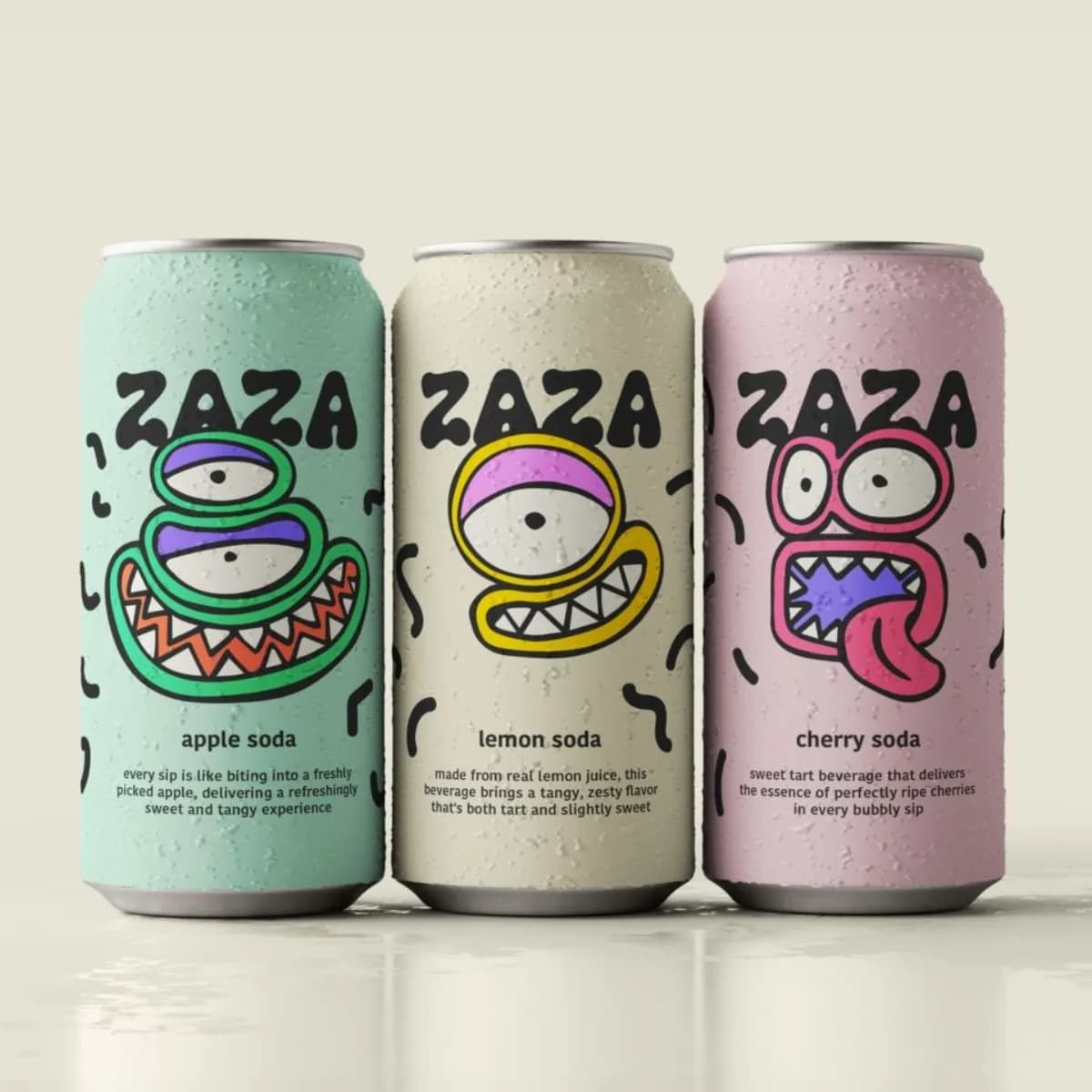
Brand Identity
Brand System
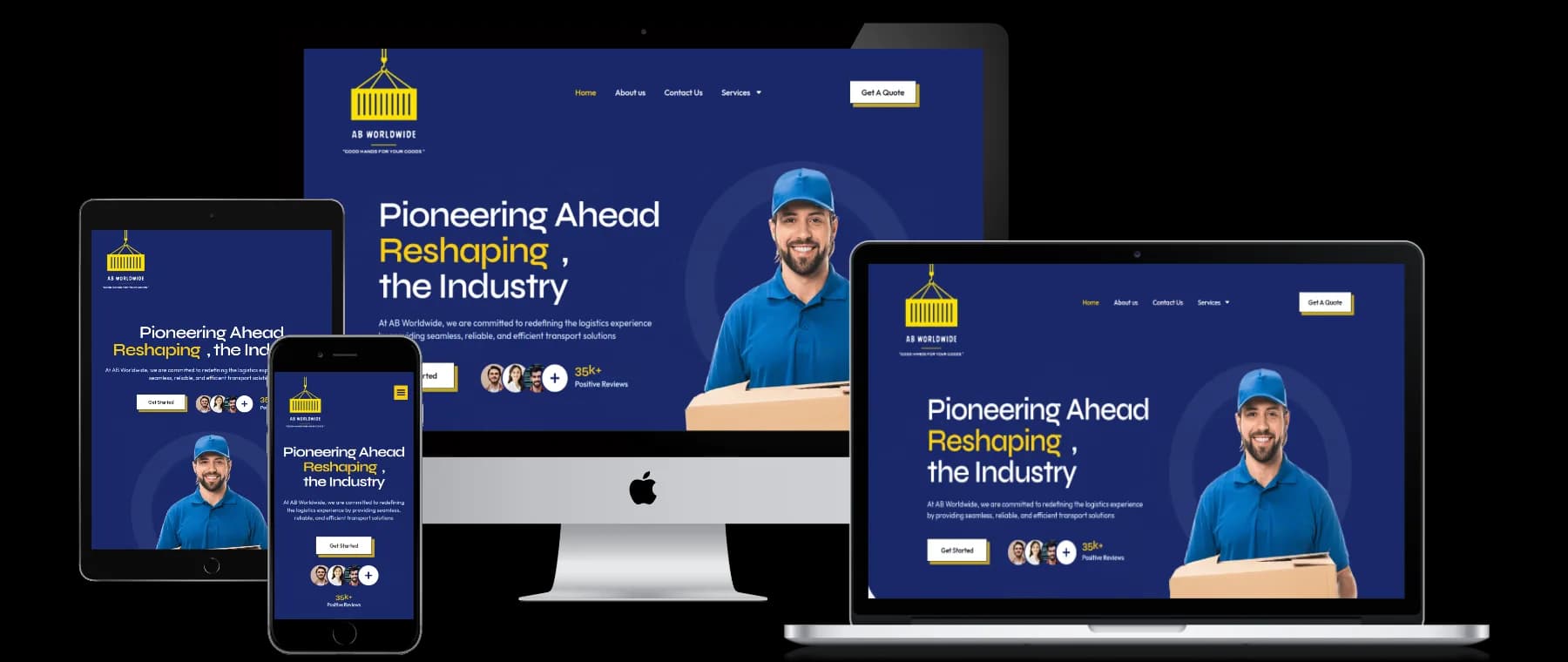
Web Development
Multi-Device Web
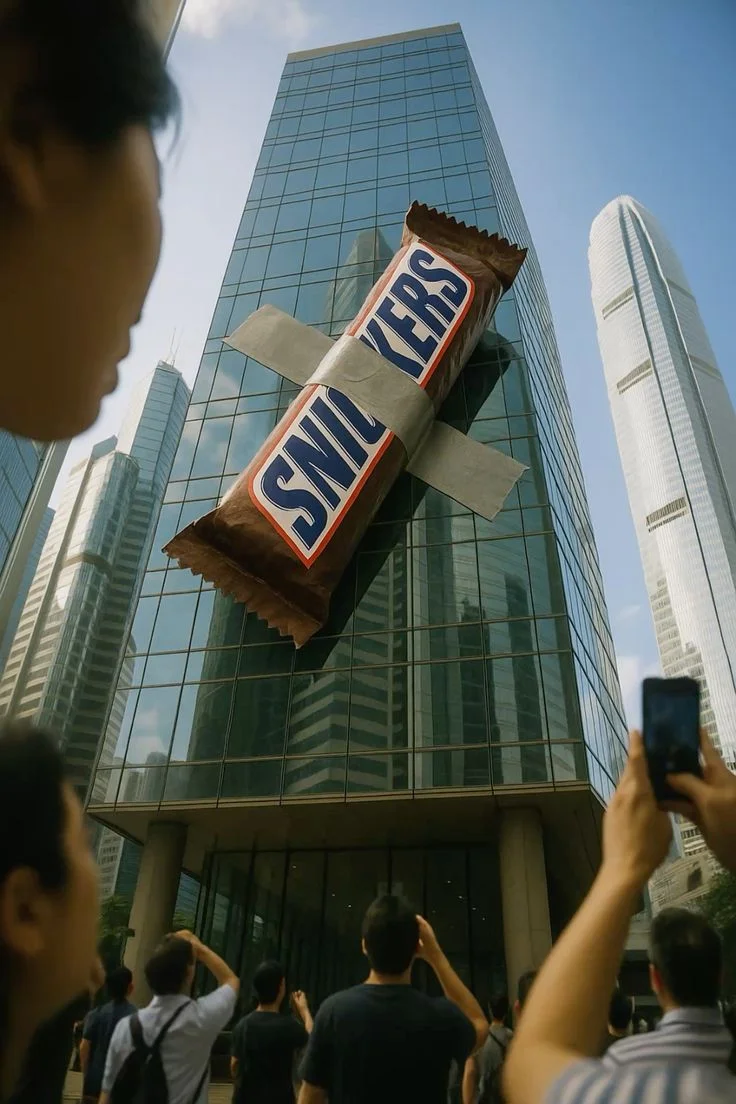
Guerilla Marketing
Guerilla Concept
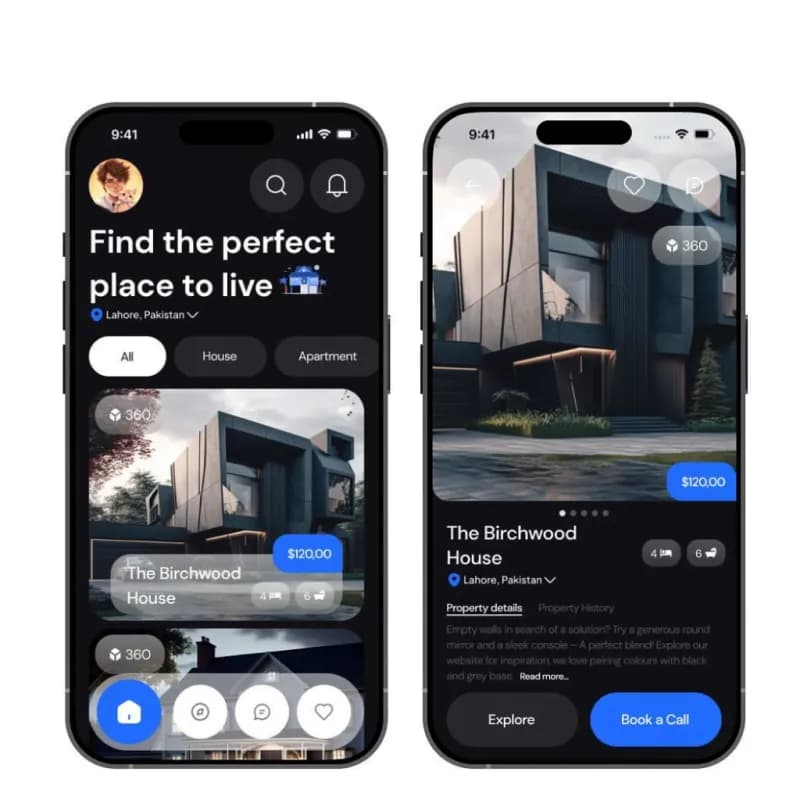
UX / UI Design
PropTech App

Social & Creative
Fitness Creative

Packaging Design
Packaging Design

Mobile UX
Smart Home App

Print Advertising
Print Advertising

Week one is diagnostics, not spending. We audit the existing account or set up a clean one: verify the domain, confirm the pixel fires once per event, connect the Conversions API through your platform's native integration where possible, and check that purchase or lead values are passing through. We map the aggregated event measurement priority list, because if your primary conversion is not in the top slot, iOS users simply will not report it. We also look at the landing page — a Meta campaign pointed at a slow, generic page is the single most common cause of a high cost per lead in the accounts we inherit.
From launch onward the account runs on a fixed rhythm. Daily we check spend pacing and anything that has broken. Twice a week we review ad-level performance and cut ads that have spent meaningfully with no result, using a threshold tied to your target cost per acquisition rather than an arbitrary number. Every fortnight new creative concepts go live, so there is always something fresh entering the account before the current winners fatigue. Structural changes — new campaigns, budget reallocation, audience shifts — happen monthly, because changing structure weekly resets learning and destroys the data you need to make decisions.
On Advantage+ versus manual: we use both, and the honest answer is that it depends on data volume. Advantage+ Shopping campaigns need a steady flow of purchase events to work well, so for an established e-commerce store doing consistent daily orders they are usually the strongest performer and worth the majority of budget. For a lead generation business doing a handful of enquiries a week, or a brand launching cold, the algorithm has too little signal and manual campaigns with controlled audiences give you cleaner data and better cost control. We normally run a manual structure first, build event volume, then test Advantage+ against it with a real budget split rather than switching everything at once.
Reporting is where most agency relationships quietly fail, so ours is deliberately plain. You get a monthly report that opens with spend, leads or purchases, cost per result and blended return, then explains what we changed and why. We reconcile Meta's reported conversions against your CRM or Shopify numbers rather than quoting Ads Manager as gospel, because iOS attribution means the two will never match exactly and you deserve to know the gap. If a month goes badly we say so on the first page. Clients based anywhere from Newmarket to Albany get the same access to the ad account itself — it stays in your Business Manager, under your ownership, whether or not you keep working with us.

Our management fee is set by the number of campaigns we run, how much creative production is involved, and whether we are also handling landing pages. It is a flat monthly fee, separate from ad spend, which goes to Meta directly on your own card — we do not take a percentage of spend, so the fee does not rise simply because your budget does. On the spend side, the constraint is data rather than money: below a certain volume of conversions per week Meta never exits the learning phase, so a budget too small to buy that volume cannot be optimised properly. If your budget sits under that line we will say so, and suggest either committing to a genuine test budget or putting the money into a channel with faster feedback.
For expectations, treat these as broad ranges rather than promises. NZ CPMs are among the cheaper developed markets, and they climb in competitive retail categories and in the six weeks before Christmas, when local advertisers all bid for the same finite audience. Cost per lead is lowest for straightforward service offers with a simple form, and rises steeply for high-value or heavily considered services — which can still be profitable at several times the cost per lead of a simple offer. E-commerce return on ad spend of two to four is a normal healthy result for an established store. Anyone quoting you a guaranteed figure before seeing your product, margin and landing page is guessing.
Meta is not always the right answer, and we will tell you when it is not. If someone is already searching for what you sell — an emergency plumber, a specific product model, a legal service with urgency attached — Google captures that intent and Meta cannot manufacture it. Meta earns its place when demand needs creating or reminding: a new product, a visual offer, a local business people would like if they knew it existed, or retargeting people who already visited. The strongest setups we run in Auckland use both, with Google catching existing demand and Meta feeding new people into the funnel so there is demand to catch next month.
Why Choose Us
We build accounts to a simple shape: a small number of campaigns, each with a clear job, and enough budget in each ad set to actually exit learning. A typical NZ setup is one prospecting campaign, one retargeting campaign, and — for e-commerce — an Advantage+ Shopping campaign running alongside as a control. Conversion events are set to the thing that matters commercially, not the easiest event to fire. If you optimise for Add to Cart rather than Purchase, Meta will happily find you people who add to cart and never buy. We check the pixel and Conversions API before we spend a dollar, because roughly half the accounts we audit are double-firing events or missing purchase values entirely.
Few campaigns, broad audiences, enough budget per ad set to exit learning — the structure that actually works when your total addressable market is Auckland rather than a country of eighty million.
Server-side event tracking, deduplicated events, correct purchase and lead values, and an aggregated event measurement priority list that reflects what you actually sell.
Static, video, carousel and Stories-native ads produced by our own team, using New Zealand imagery, NZD pricing and copy that reads like a local business wrote it.
New creative concepts on a set schedule, losers cut against a threshold tied to your target cost per acquisition, and winners iterated before frequency starts pushing costs up.
Separate retargeting campaigns with sensible time windows, existing customers excluded where it matters, and frequency caps so your warm audience is not shown the same ad twenty times.
Monthly reporting that compares Meta reported conversions against your CRM or Shopify data and explains the gap, rather than quoting Ads Manager as if attribution were perfect.
Industries
Kiwitech works with Auckland and wider New Zealand businesses across 25+ industries, but four verticals dominate our roster: property (Auckland developers, apartment launches, agency networks), education (private schools, tertiary providers, edtech), healthcare (specialist groups, dental and dermatology clinics, allied-health practices), and food and beverage (CBD and Ponsonby cafes, Britomart fine dining, food-court chains, cloud kitchens). SaaS, D2C retail, fashion boutiques across Newmarket and Ponsonby, and South Auckland industrial manufacturers round out the next tier of growing accounts.
02/Awards & partnerships

Top GenAI Company
Clutch · 2026 leader
Google Ads
Search, Shopping & Performance Max

Top Clutch · App Dev
Verified industry leader
Microsoft
Advertising & cloud
Shopify
Commerce builds
WordPress
CMS & enterprise web
ChatGPT
AI workflow partner
Gemini
Google AI partner
Google Cloud
Infra & data
Bing Ads
Microsoft advertising
Our Process
A 5-step playbook we run with every Auckland client. Same rigour for a single-location SMB and a multi-brand enterprise pod — only the depth changes.
We review the existing account, verify the domain, fix pixel and Conversions API events, and confirm conversion values pass through before any budget goes live.
We agree the conversion event, target cost per result and budget split, then build the campaign structure and audience approach around your actual market size.
Our team writes and produces the first creative batch — multiple concepts, multiple formats, all sized correctly for feed, Reels and Stories placements.
Campaigns go live and we leave structure alone through learning, monitoring pacing daily and cutting only clearly failing ads until the data is meaningful.
Fortnightly creative refreshes, monthly structural review and budget reallocation, and a written report explaining what changed, what it cost and what we do next.

Creative is the lever, so we treat it as a production line rather than a project. Every account runs a testing cadence: new concepts introduced on a fixed schedule, losers cut on a fixed rule, winners iterated rather than left to fatigue. In a market the size of Auckland, frequency climbs fast — you can hit an effective frequency of three or four within a fortnight on a modest budget — so the same three ads running for two months is a guaranteed cost rise. We produce static, video, carousel and Stories-native variants in-house, shoot or source NZ-relevant imagery, and write copy that sounds like it came from a New Zealand business rather than an off-the-shelf template. Local proof, local place names and NZD pricing consistently outperform polished generic creative here.
Resources
FAQ
The fee is set by campaign count, how much creative we produce each month, and whether landing pages are included. It is a flat monthly figure, not a percentage of spend, so it does not go up simply because you spend more, and there is no lock-in contract. Ad spend is separate and paid directly to Meta on your own card. The one thing worth knowing before you set a budget: Meta needs a certain number of conversions per week to exit the learning phase, so a spend too small to generate them cannot be optimised however good the account is. We will tell you where that line sits for your offer before you commit.
Nobody can give you an honest number before seeing your account, so here is what actually moves it. CPMs rise in competitive retail categories and in the run-up to Christmas, when local advertisers compete for the same limited audience — the same creative can cost noticeably more to deliver in November than in February. Cost per lead is lowest for simple service offers with a short form and climbs for considered, high-value services, which often stay profitable at several times the cost per lead of a simple offer. Your product, margin, offer and landing page move these numbers far more than any bidding setting does. We benchmark yours in the first month and optimise from there.
It depends on how much conversion data you generate. Advantage+ Shopping needs a consistent flow of purchase events to perform, so it usually suits established e-commerce stores with steady daily orders. If you are a lead generation business with a handful of enquiries a week, or launching something new, manual campaigns give the algorithm clearer signals and give you better cost control. We typically build manual first, accumulate event volume, then test Advantage+ against it with a proper budget split rather than switching everything overnight.
It is directionally useful but not exact, and anyone telling you otherwise is overselling. Since App Tracking Transparency, a meaningful share of iOS conversions are modelled rather than observed, and there is a reporting delay. We reduce the gap with the Conversions API for server-side events and a correctly ordered aggregated event measurement list, but we still reconcile Meta's numbers against your CRM or Shopify totals every month. The practical approach is to trust Meta for relative comparisons between ads, and trust your own system for the true total.
When people are already searching for what you sell. Urgent services, specific product models, replacement parts, anything where the customer knows what they want and is looking for a supplier — Google captures that intent and Meta cannot create it out of nothing. Meta earns its place where demand needs to be created or reminded: new products, visual offers, local businesses people would like if they knew about them, and retargeting past visitors. Most of the strongest accounts we run in Auckland use both channels together rather than choosing.
You do. Campaigns run inside your own Meta Business Manager with us added as a partner, so if the relationship ends you keep the account, the pixel history, the audiences and the performance data. Creative we produce for you is yours to keep and reuse. We ask for admin access rather than logins, we never move an account into our own Business Manager, and we hand over cleanly with no ransom on your own data.
Get a Quote
Tell us about your goals — we'll reply within one New Zealand business day with next steps.
Visit Our Office
Tell us where Meta Ads sits for you today and what you need it to do. We'll come back with what we would change first, in what order, and what that involves.

Talk to a strategist
Free 30-minute call. No obligations. Just answers.