

Out-of-Home Ads
Out-of-Home
Most sites that will not rank do not have a content problem. They have pages Google cannot reach, cannot render, or has decided are duplicates. We find out which, then fix it.
Quick Answer
Technical SEO is the part of search that decides whether your content ever gets a fair hearing. Before Google can rank a page it has to discover the URL, be allowed to crawl it, successfully render whatever your framework outputs, decide the page is canonical rather than a duplicate, and choose to keep it in the index. Any one of those steps failing makes the rest of your marketing invisible, and the failure is usually silent — no error message, no warning, just pages that never appear. Our work starts by establishing which step is breaking, because the fix for a crawl problem looks nothing like the fix for a rendering problem, and guessing wastes months.
In Business Since
Team
Based In
Reporting
Our Technical SEO Agency Services in Auckland
Full site crawl read against Search Console index coverage to find the gap between what exists, what Google crawled, and what it actually kept in the index.
Field data from real users for LCP, INP and CLS, with fixes targeted at the specific render-blocking scripts, oversized assets and layout shifts causing the failures.
We test what Googlebot receives rather than what your browser shows, confirm critical content and links survive rendering, and advise on server-side or static rendering.
Valid JSON-LD that matches visible page content and targets rich results Google actually offers, rather than blanket plugin schema that never earns a feature.
For larger sites, raw server logs show where crawl budget really goes — usually faceted URLs, tracking parameters and pagination competing with the pages you care about.
Redirect mapping, staging validation, pre-launch baselines and post-launch monitoring so a redesign does not cost you the rankings you already earned.
Selected Work
Out-of-Home Ads
Out-of-Home

Outdoor Campaign
Outdoor Campaign

Brand Identity
Brand System
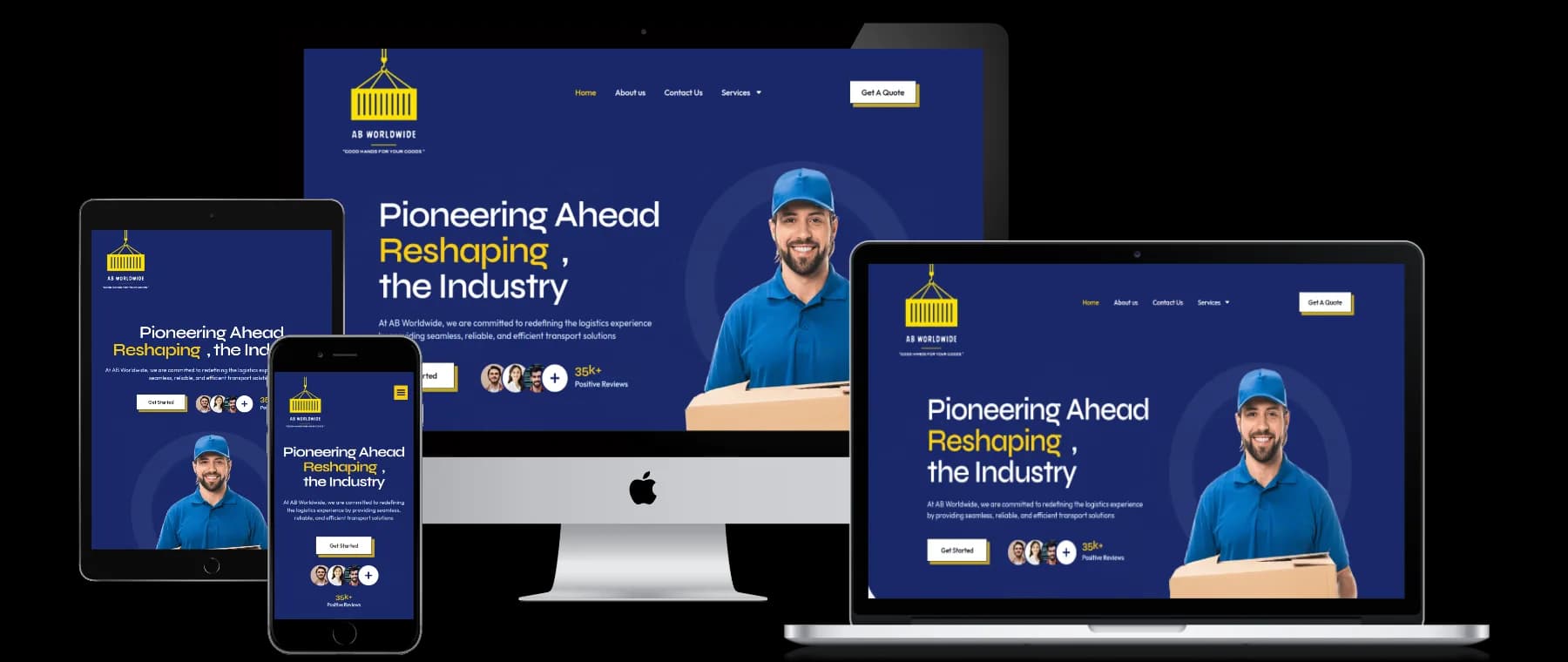
Web Development
Multi-Device Web
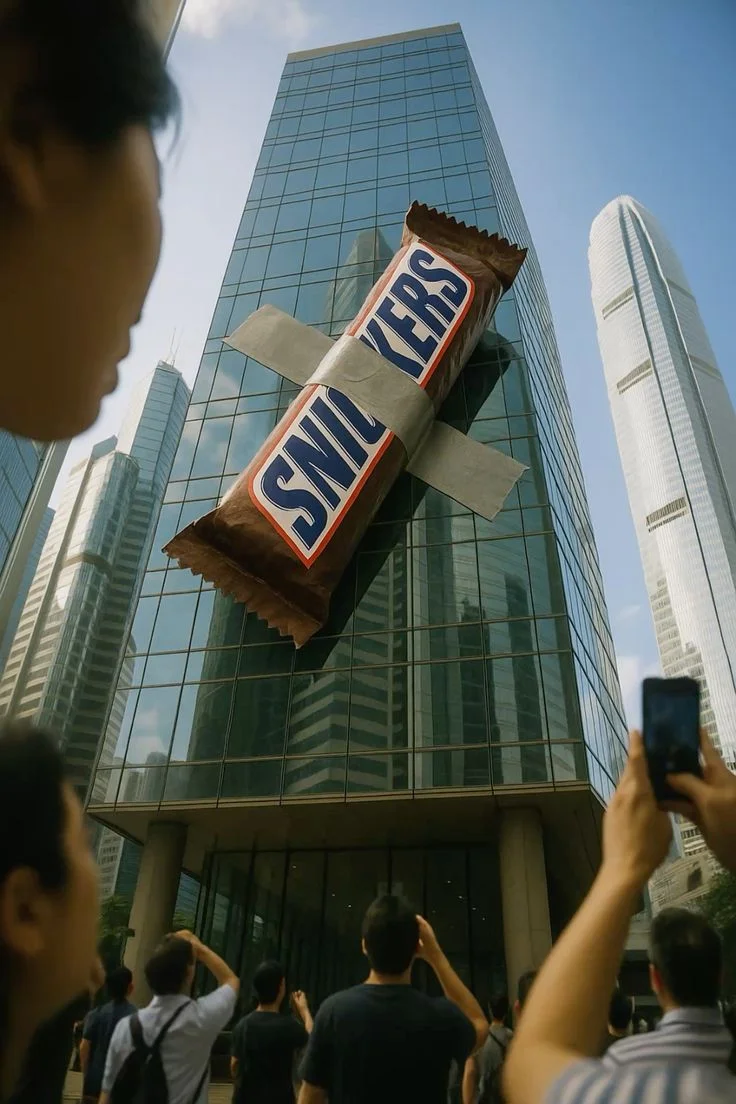
Guerilla Marketing
Guerilla Concept
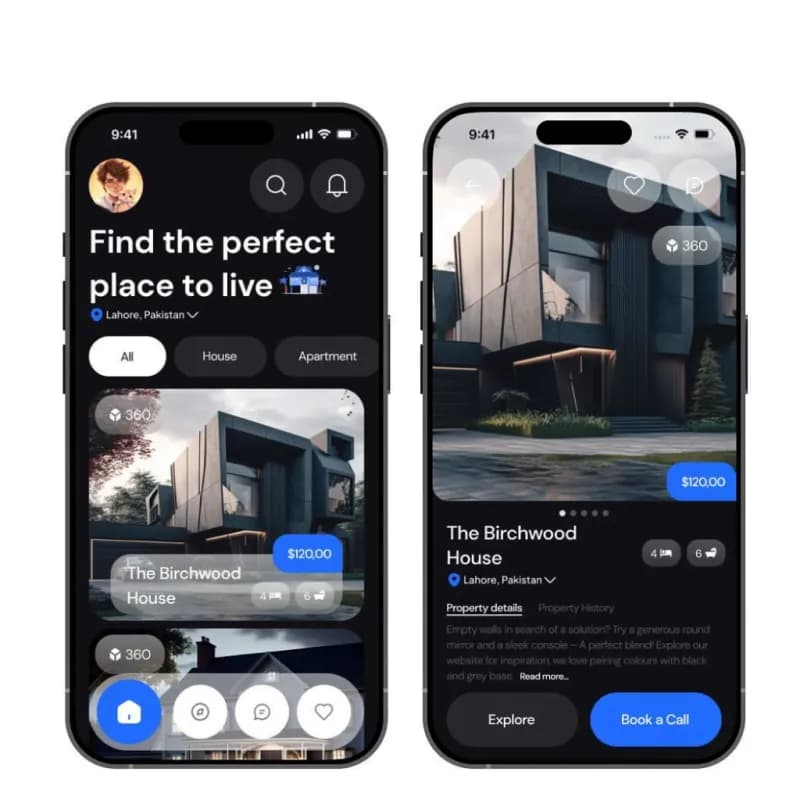
UX / UI Design
PropTech App

Social & Creative
Fitness Creative

Packaging Design
Packaging Design

Mobile UX
Smart Home App

Print Advertising
Print Advertising

An audit that ends in a two hundred point checklist is close to useless, because it gives you no way to decide what to do on Monday morning. Ours ends in a ranked list of issues, each with the evidence that proves it is real, an estimate of what it is costing in reach or conversion, the specific change required, and who needs to make it — us, your developer, or your platform vendor. Anything we cannot evidence does not go in. If a finding is a best-practice preference rather than a demonstrable problem, we label it as such so you are not paying a developer to chase something that will not move the needle.
The tooling is standard and we are open about it. A crawler such as Screaming Frog for site structure, Search Console for index coverage and query data, PageSpeed Insights and the Chrome UX Report for field performance, the URL Inspection tool for rendered HTML, the Rich Results Test for structured data validity, and raw server logs when the site is large enough to justify it. None of that is proprietary magic. The value is in reading the outputs together, spotting the pattern that explains several symptoms at once, and knowing which of the forty flagged problems are the three that matter.
Then we implement. Where we have access to the codebase or CMS we make the changes ourselves and re-test, which is faster than writing a specification and waiting. Where your in-house or agency developers own the build, we write tickets they can act on without a follow-up meeting: the exact file or template, the current behaviour, the required behaviour, and how we will verify it. After deployment we re-crawl, re-inspect a sample of URLs, and watch index coverage and impressions over the following weeks. A fix nobody validated is not a fix.

New Zealand sites carry a few recurring technical problems that come from the size of the market rather than bad decisions. Plenty of Auckland businesses run on WordPress with a page builder and a decade of accumulated plugins, and the resulting pages ship enormous CSS and JavaScript payloads for what is often a five-section brochure page. Others sit on Shopify with a theme that generates near-duplicate collection URLs across every filter combination. Hosting matters too: sites served from offshore infrastructure with no local edge caching can carry hundreds of milliseconds of latency before the first byte, which shows up directly in field Core Web Vitals for local visitors.
There is also a genuine advantage to being here. New Zealand search results are far less crowded than the markets most SEO advice is written for, so technical wins convert into visible ranking movement more often. A site in Mt Eden or Takapuna competing for a local commercial term is often up against a handful of serious competitors rather than hundreds, and fixing indexation on a set of service pages can move them from invisible to page one within a few crawl cycles. The flip side is that with lower search volumes, wasted crawl budget and index bloat hurt proportionally more — every thin page you let Google index is diluting a small pool of relevant queries.
Migrations are where we see the largest and most avoidable losses. A replatform or redesign without a mapped redirect plan reliably costs a chunk of organic traffic, and recovery takes months of re-crawling. We work on migrations before launch, not after: URL mapping from old to new, redirect rules tested on staging, canonical and robots directives checked, structured data carried across, sitemaps regenerated, and a baseline of rankings and index coverage captured beforehand so we can prove what recovered and what did not. If you are relaunching, bring us in while the new site is still on staging — the same work after go-live costs more and recovers less.
Why Choose Us
We start every engagement with a full crawl and a Search Console review side by side. The crawl tells us what exists and how it is linked; Search Console tells us what Google has actually done about it. The interesting findings live in the gap between the two — URLs discovered but not indexed, pages marked as duplicates with a different canonical chosen by Google, sections buried so deep in the internal link structure that they are crawled once a quarter. On larger sites we add server log analysis, which is the only way to see what search engine crawlers genuinely requested rather than what a tool assumes they would. Log data routinely shows crawl budget being spent on faceted URLs, tracking parameters and paginated archives nobody wants ranked.
Full site crawl read against Search Console index coverage to find the gap between what exists, what Google crawled, and what it actually kept in the index.
Field data from real users for LCP, INP and CLS, with fixes targeted at the specific render-blocking scripts, oversized assets and layout shifts causing the failures.
We test what Googlebot receives rather than what your browser shows, confirm critical content and links survive rendering, and advise on server-side or static rendering.
Valid JSON-LD that matches visible page content and targets rich results Google actually offers, rather than blanket plugin schema that never earns a feature.
For larger sites, raw server logs show where crawl budget really goes — usually faceted URLs, tracking parameters and pagination competing with the pages you care about.
Redirect mapping, staging validation, pre-launch baselines and post-launch monitoring so a redesign does not cost you the rankings you already earned.
Industries
Kiwitech works with Auckland and wider New Zealand businesses across 25+ industries, but four verticals dominate our roster: property (Auckland developers, apartment launches, agency networks), education (private schools, tertiary providers, edtech), healthcare (specialist groups, dental and dermatology clinics, allied-health practices), and food and beverage (CBD and Ponsonby cafes, Britomart fine dining, food-court chains, cloud kitchens). SaaS, D2C retail, fashion boutiques across Newmarket and Ponsonby, and South Auckland industrial manufacturers round out the next tier of growing accounts.
02/Awards & partnerships

Top GenAI Company
Clutch · 2026 leader
Google Ads
Search, Shopping & Performance Max

Top Clutch · App Dev
Verified industry leader
Microsoft
Advertising & cloud
Shopify
Commerce builds
WordPress
CMS & enterprise web
ChatGPT
AI workflow partner
Gemini
Google AI partner
Google Cloud
Infra & data
Bing Ads
Microsoft advertising
Our Process
A 5-step playbook we run with every Auckland client. Same rigour for a single-location SMB and a multi-brand enterprise pod — only the depth changes.
We crawl the site, pull Search Console and field performance data, and record current index coverage and rankings so later change can be measured honestly.
We isolate whether the problem is discovery, crawling, rendering, canonicalisation or indexing, and gather the evidence that proves it before recommending anything.
Findings are ranked by likely impact against implementation effort, with best-practice nice-to-haves clearly separated from issues genuinely costing you traffic.
We make the changes ourselves where we have access, or write developer-ready tickets specifying the template, current behaviour, required behaviour and test.
Re-crawl, re-inspect sample URLs, confirm structured data validity, then track index coverage and impressions over the following weeks to confirm the fix held.

Core Web Vitals get more attention than they deserve as a ranking factor and less than they deserve as a conversion factor. We measure Largest Contentful Paint, Interaction to Next Paint and Cumulative Layout Shift against field data from real users rather than a lab score, because a perfect lab result on a fast desktop connection tells you very little about somebody loading your site on mobile data in Manukau. INP replaced First Input Delay as the responsiveness metric and it is a much harder test — it measures every interaction, not just the first, so heavy JavaScript that used to pass now fails. Most of the wins we find are unglamorous: oversized hero images, render-blocking third-party scripts, and layout shift from fonts and ad slots.
JavaScript rendering is where modern builds quietly break. If your site is a single-page application that assembles content client-side, Google has to queue your pages for rendering, and anything that fails in that queue simply does not exist as far as search is concerned. We test what Googlebot actually receives, check whether critical content and internal links survive without JavaScript, and recommend server-side rendering or static generation where the framework allows it. The same care applies to structured data — schema is only worth implementing if it is valid, matches visible page content, and targets a rich result Google genuinely offers, rather than being sprayed across every template because a plugin made it easy.
Resources
FAQ
Page count is only part of it. The bigger drivers are how many distinct page templates the site has — each one has to be checked separately — whether the site renders in JavaScript, and whether log-file analysis is included, since that means getting server logs out of your host and parsing crawl behaviour rather than just crawling the site ourselves. A standard business site of a few hundred pages on two or three templates is the cheapest scope; large e-commerce and multi-template sites cost considerably more. Implementation is quoted separately or handled inside an ongoing SEO retainer. Migration support for a replatform is scoped as a fixed project, because that work is front-loaded before launch.
For a typical business site, allow one to two weeks from access being granted to the ranked findings being delivered. Larger sites, or ones needing log-file analysis and rendering tests across multiple templates, take three weeks or so. The crawl itself is quick; the time goes into cross-referencing crawl output with Search Console, testing rendered HTML, and confirming each finding is real rather than a tool artefact. We would rather hand you fifteen evidenced issues than two hundred flags.
Both are available and we prefer fixing. Where we have CMS or repository access we implement directly and re-test, which is far faster than a document round trip. Where your own developers own the build, we write tickets they can act on without a meeting: the exact template or file, current behaviour, required behaviour, and how we will verify it after deploy. Either way we re-crawl and validate afterwards, because an unverified fix is just an assumption.
Because First Input Delay was retired. Interaction to Next Paint replaced it as the Core Web Vitals responsiveness metric, and it is a much stricter test — FID only measured the delay before the first interaction was processed, while INP measures how long every interaction takes to produce a visible response across the whole visit. Sites that comfortably passed FID often fail INP because of heavy JavaScript execution on scroll, menus and filters. Any agency still reporting FID to you is working from outdated documentation.
While the new site is still on staging, ideally several weeks before launch. Pre-launch work covers URL mapping from old to new, redirect rules tested before they go live, robots and canonical directives, structured data carried across, sitemap regeneration, and a recorded baseline of rankings and index coverage. Migrations done without that groundwork routinely lose a substantial share of organic traffic and take months to recover. The same work done after go-live costs more and recovers less.
The principles are identical, the failure modes differ. WordPress sites commonly suffer from page-builder markup that ships far more CSS and JavaScript than the page needs, plugin conflicts producing duplicate or contradictory meta tags, archive and attachment pages bloating the index, and shared hosting adding server response time before anything renders. Shopify has its own pattern with filter-generated duplicate collection URLs. We work across WordPress, Shopify, Webflow, Next.js and custom stacks, and the goal on all of them is the same: fast, crawlable, unambiguous pages.
Get a Quote
Tell us about your goals — we'll reply within one New Zealand business day with next steps.
Visit Our Office
Tell us where Technical SEO sits for you today and what you need it to do. We'll come back with what we would change first, in what order, and what that involves.

Talk to a strategist
Free 30-minute call. No obligations. Just answers.