

Out-of-Home Ads
Out-of-Home
Doubling your conversion rate is mathematically equivalent to doubling your traffic — but far cheaper. We identify exactly why visitors leave without converting and fix it through research-backed testing. Our CRO process delivers consistent, measurable improvements to your conversion rates, average order values, and revenue per visitor.
Quick Answer
The average website converts only 2-3% of visitors. That means 97% of the people who visit your website — people you have spent money attracting through SEO, PPC, or social media — leave without taking the action you need them to take. Conversion rate optimization is the process of systematically improving that percentage through research, testing, and data-driven iteration. At Kiwitech Labs, our CRO specialists identify the specific barriers preventing visitors from converting and eliminate them.
In Business Since
Team
Based In
Reporting
Our Conversion Rate Optimisation Agency Services in Auckland
In-depth quantitative and qualitative research using analytics, heatmaps, session recordings, user surveys, and expert review to identify your specific conversion barriers and build evidence-based test hypotheses.
Rigorous testing methodology using VWO or Google Optimize with proper statistical significance thresholds and documented hypotheses — producing reliable, replicable results you can confidently implement.
Data-driven landing page improvements targeting message match, trust building, friction reduction, and CTA optimisation that directly reduce your cost per acquisition from paid advertising campaigns.
E-commerce checkout flow analysis and testing targeting the abandonment points responsible for losing 70% of shoppers before purchase completion — the highest-ROI CRO project for any online store.
UX improvements informed by real user research — not designer preferences — that reduce cognitive load, improve navigation clarity, and create smoother paths to conversion across all devices.
Advanced funnel tracking setup in GA4, conversion event configuration, and custom dashboards that give you continuous visibility into conversion performance across all pages, segments, and traffic sources.
Selected Work
Out-of-Home Ads
Out-of-Home

Outdoor Campaign
Outdoor Campaign
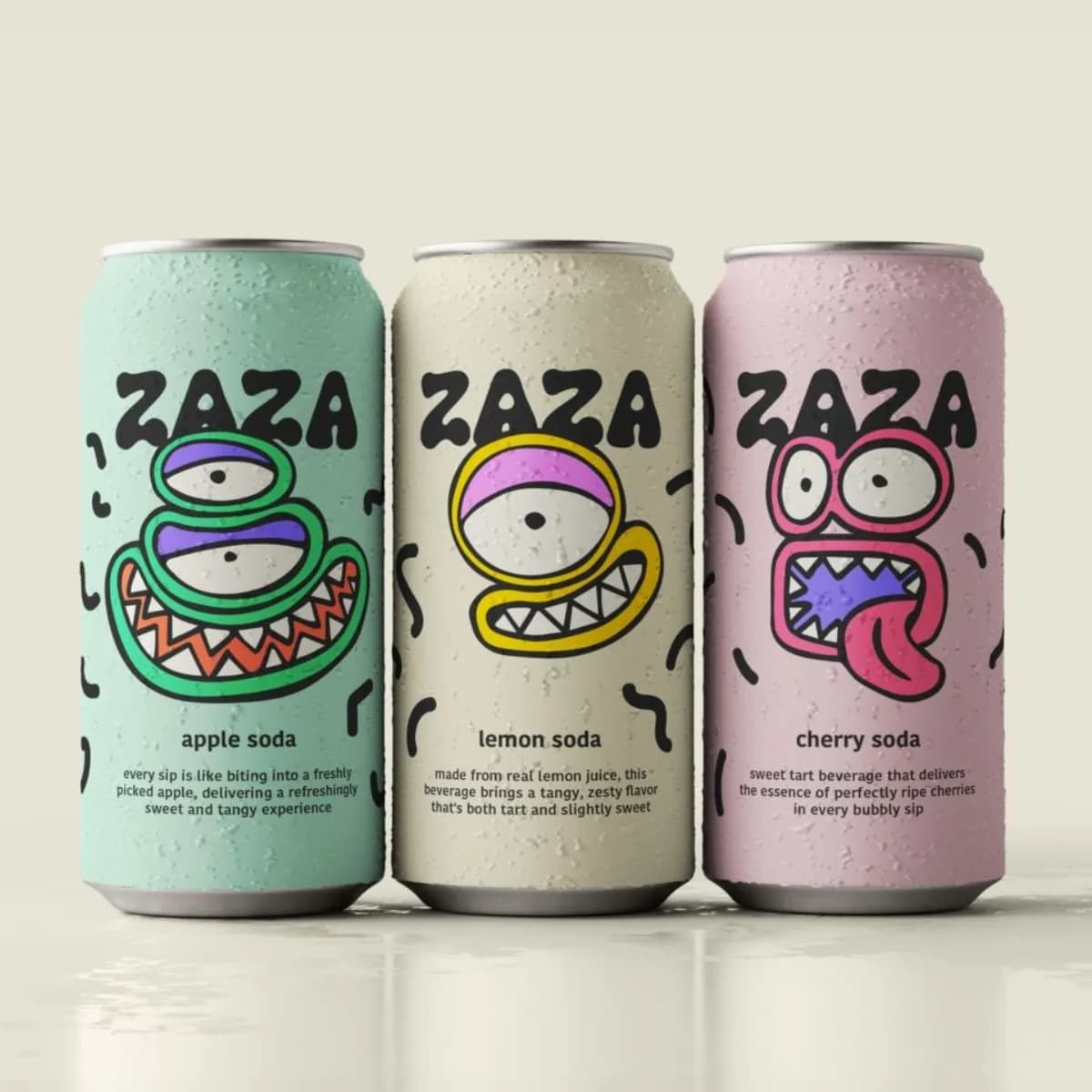
Brand Identity
Brand System
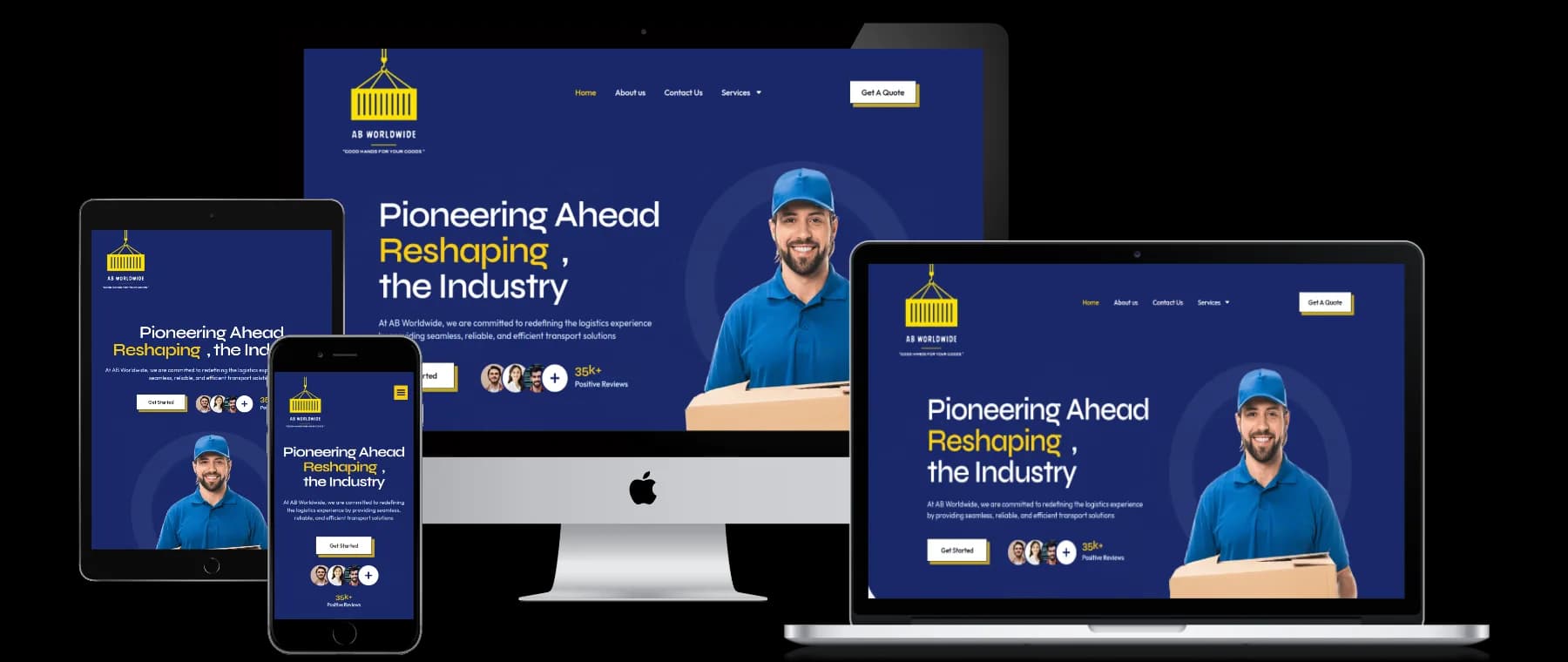
Web Development
Multi-Device Web
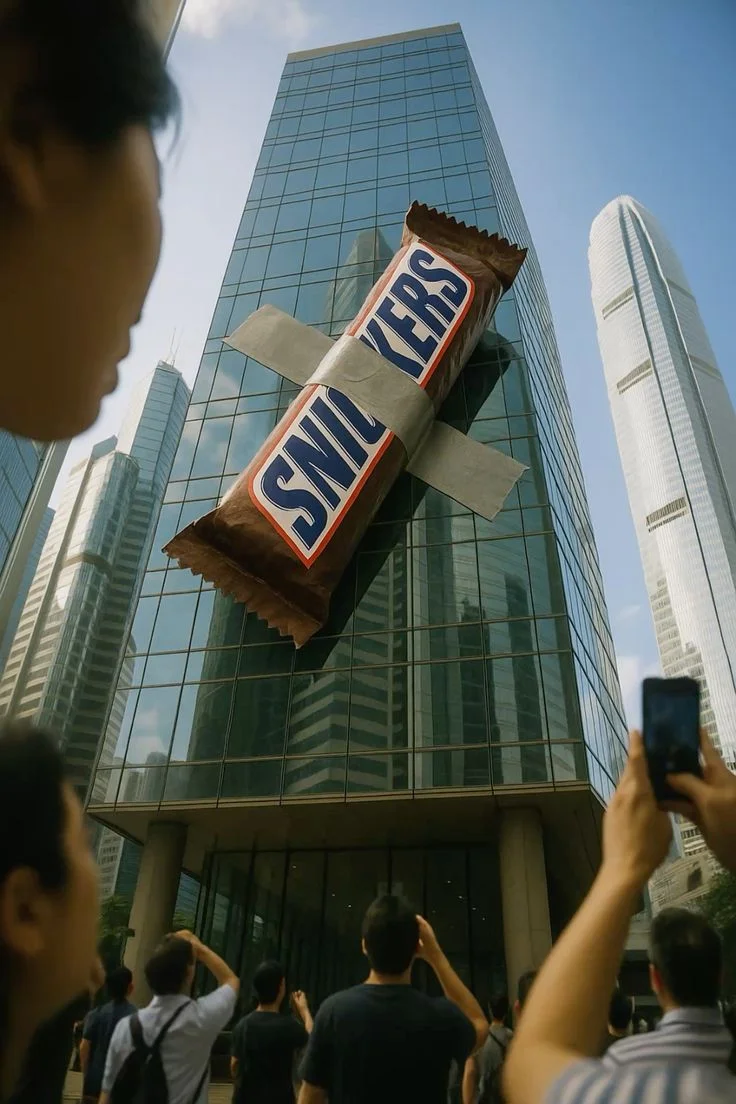
Guerilla Marketing
Guerilla Concept
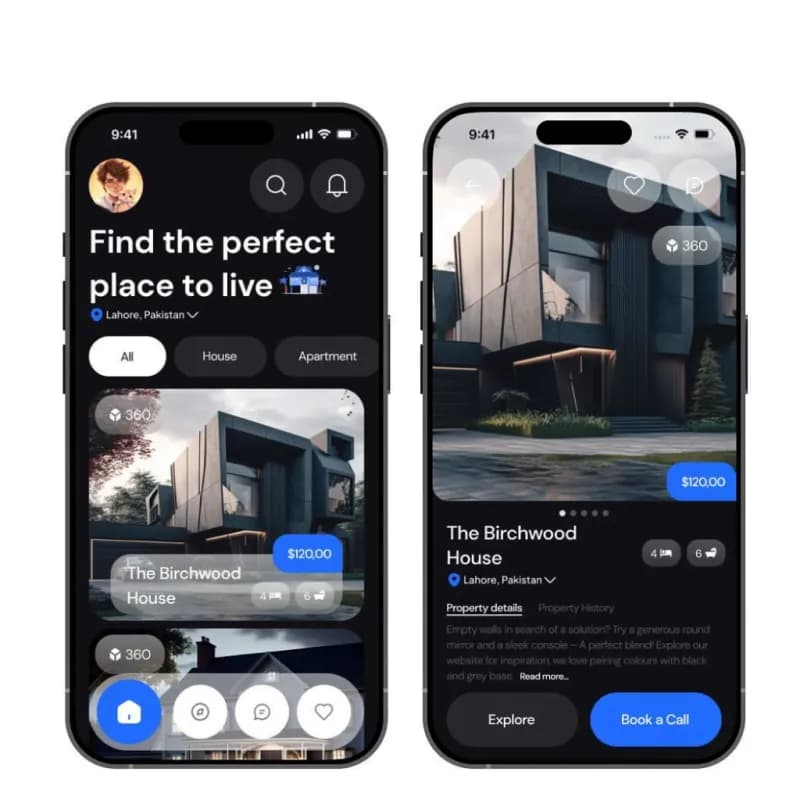
UX / UI Design
PropTech App

Social & Creative
Fitness Creative

Packaging Design
Packaging Design

Mobile UX
Smart Home App

Print Advertising
Print Advertising

Most CRO agencies jump straight to A/B testing without adequate research. This produces random test results — sometimes a win, sometimes a loss, with no understanding of why. At Kiwitech Labs, we spend two to three weeks in a structured research phase before proposing a single test. This phase uses four types of research to build a comprehensive picture of your conversion barriers: quantitative analysis, qualitative research, user testing, and expert review.
Quantitative analysis uses Google Analytics 4 to map the conversion funnel in detail — where traffic enters, which pages generate the most exits, where drop-off occurs in multi-step flows, which traffic sources and audience segments convert best, and which device types have the largest conversion rate gaps. We use Hotjar or Microsoft Clarity for heatmaps (showing where visitors click and scroll) and session recordings (showing exactly how individual real users navigate your site). These tools reveal patterns invisible in aggregate analytics — such as a form field that confuses users, a CTA button that is below the fold on mobile, or a pricing page that causes visitors to exit rather than progress.
Qualitative research adds the 'why' behind the numbers. We analyse on-site survey responses (asking visitors who are about to exit why they are leaving), customer interview transcripts, sales call recordings, and live chat transcripts to understand the objections, confusions, and anxieties that prevent conversion. This qualitative data generates hypotheses that are both specific and testable. For example, if 40% of survey respondents say they left without converting because they were unsure about delivery timelines, the hypothesis is clear: adding prominent delivery timeline information to product pages should improve conversion rate.
Our CRO approach is grounded in evidence, not opinion. We use a structured research phase — quantitative analytics, heatmaps, session recordings, user surveys, and usability testing — to understand exactly how real users behave on your website before forming any hypotheses about what to test. This research-first methodology ensures we are solving real conversion barriers, not redesigning pages based on aesthetic preferences.

Landing pages are the highest-leverage CRO target for businesses running paid advertising because every percentage point of conversion improvement directly reduces your cost per acquisition. A landing page converting at 2% that you improve to 4% halves your CPA — equivalent to negotiating a 50% reduction in your ad spend bill. This is why we recommend that businesses invest in landing page CRO before scaling any paid advertising channel.
High-converting landing pages share predictable characteristics. They have a single, clear objective with all elements on the page supporting that one action. The headline directly matches the ad that drove the click, maintaining message match that prevents the cognitive dissonance of landing on a page that seems disconnected from the ad. They establish credibility early with trust signals — client logos, review ratings, specific statistics, or certification badges — that answer the implicit question 'why should I trust this company?'. They reduce friction by minimising form fields to only what is truly necessary and offering multiple contact methods. And they create urgency without manufacturing false scarcity.
We test landing page elements in a structured hierarchy. First, the offer — does changing what you are asking visitors to commit to (free consultation vs free audit vs free trial) change conversion rate? Then the headline — does leading with a different benefit or pain point improve engagement? Then the social proof — do testimonials with specific results outperform generic praise? Then the CTA — does button colour, copy, placement, or size affect clicks? Then the form — does removing one field increase submissions? This hierarchy prevents testing inconsequential elements while ignoring the high-impact structural changes that move conversion metrics significantly.
Why Choose Us
CRO is one of the highest-leverage investments in digital marketing because it multiplies the value of every other marketing channel. On a fixed Google Ads budget, lifting your conversion rate from 2% to 4% doubles your lead volume without adding a dollar of ad spend. Apply that same improvement across every traffic source you already pay for — organic, email, referral, paid — and the compounding financial impact is what makes CRO worth funding ahead of buying more traffic.
In-depth quantitative and qualitative research using analytics, heatmaps, session recordings, user surveys, and expert review to identify your specific conversion barriers and build evidence-based test hypotheses.
Rigorous testing methodology using VWO or Google Optimize with proper statistical significance thresholds and documented hypotheses — producing reliable, replicable results you can confidently implement.
Data-driven landing page improvements targeting message match, trust building, friction reduction, and CTA optimisation that directly reduce your cost per acquisition from paid advertising campaigns.
E-commerce checkout flow analysis and testing targeting the abandonment points responsible for losing 70% of shoppers before purchase completion — the highest-ROI CRO project for any online store.
UX improvements informed by real user research — not designer preferences — that reduce cognitive load, improve navigation clarity, and create smoother paths to conversion across all devices.
Advanced funnel tracking setup in GA4, conversion event configuration, and custom dashboards that give you continuous visibility into conversion performance across all pages, segments, and traffic sources.
Industries
Kiwitech works with Auckland and wider New Zealand businesses across 25+ industries, but four verticals dominate our roster: property (Auckland developers, apartment launches, agency networks), education (private schools, tertiary providers, edtech), healthcare (specialist groups, dental and dermatology clinics, allied-health practices), and food and beverage (CBD and Ponsonby cafes, Britomart fine dining, food-court chains, cloud kitchens). SaaS, D2C retail, fashion boutiques across Newmarket and Ponsonby, and South Auckland industrial manufacturers round out the next tier of growing accounts.
02/Awards & partnerships

Top GenAI Company
Clutch · 2026 leader
Google Ads
Search, Shopping & Performance Max

Top Clutch · App Dev
Verified industry leader
Microsoft
Advertising & cloud
Shopify
Commerce builds
WordPress
CMS & enterprise web
ChatGPT
AI workflow partner
Gemini
Google AI partner
Google Cloud
Infra & data
Bing Ads
Microsoft advertising
Our Process
A 5-step playbook we run with every Auckland client. Same rigour for a single-location SMB and a multi-brand enterprise pod — only the depth changes.
Quantitative analysis, heatmaps, session recordings, and user surveys to map conversion barriers across your website.
Develop evidence-based test hypotheses prioritised by expected impact, research confidence, and implementation ease.
Design and launch A/B tests using proper statistical methodology with pre-set significance thresholds and test durations.
Analyse test results at 95%+ statistical confidence, validate winners, and document learnings for future tests.
Implement validated winners, monitor post-test performance, and feed insights into the next testing cycle for continuous improvement.
Resources
FAQ
For reliable A/B testing, you need at least 1,000 monthly visitors to the pages you want to test. Lower-traffic sites can still benefit from CRO research and UX improvements even without statistically significant tests.
The research phase takes 2-3 weeks. Each A/B test requires 2-4 weeks for sufficient data. We typically run multiple tests simultaneously across different pages, with meaningful results emerging within 60-90 days.
No. We implement changes using testing tools that run alongside your existing site, and only push winning changes to your permanent codebase after validation — always coordinating with your development team.
Yes. We can provide implementation specifications for your developers or implement directly if you give us appropriate access. We adapt to your team's workflow and technical setup.
CRO is research-driven and hypothesis-based — every change is validated through testing and evidence. UX design is often based on best practices and designer judgment. Great CRO incorporates good UX principles but validates them empirically before committing to changes.
Get a Quote
Tell us about your goals — we'll reply within one New Zealand business day with next steps.
Visit Our Office
Tell us where Conversion Rate Optimisation sits for you today and what you need it to do. We'll come back with what we would change first, in what order, and what that involves.

Talk to a strategist
Free 30-minute call. No obligations. Just answers.