


The Uncomfortable Truth About Selling Only on Instagram
I talk to small business owners every single week. Boutique owners in Auckland, restaurant owners in Auckland, coaching centre founders in Auckland. And the one thing I hear more than anything else is: "My Instagram is doing fine — why do I need a website?"
I get it. Your Instagram has 10K followers. You're getting DMs. Orders are coming in. Why spend money on a website when things are "working"?
Here's what nobody tells you until it's too late: you don't own your Instagram. Meta does. And they can change the rules, throttle your reach, or even disable your account tomorrow — and there's nothing you can do about it.
This isn't fear-mongering. This is happening right now, to real businesses, every single day. And I've seen the panic firsthand.
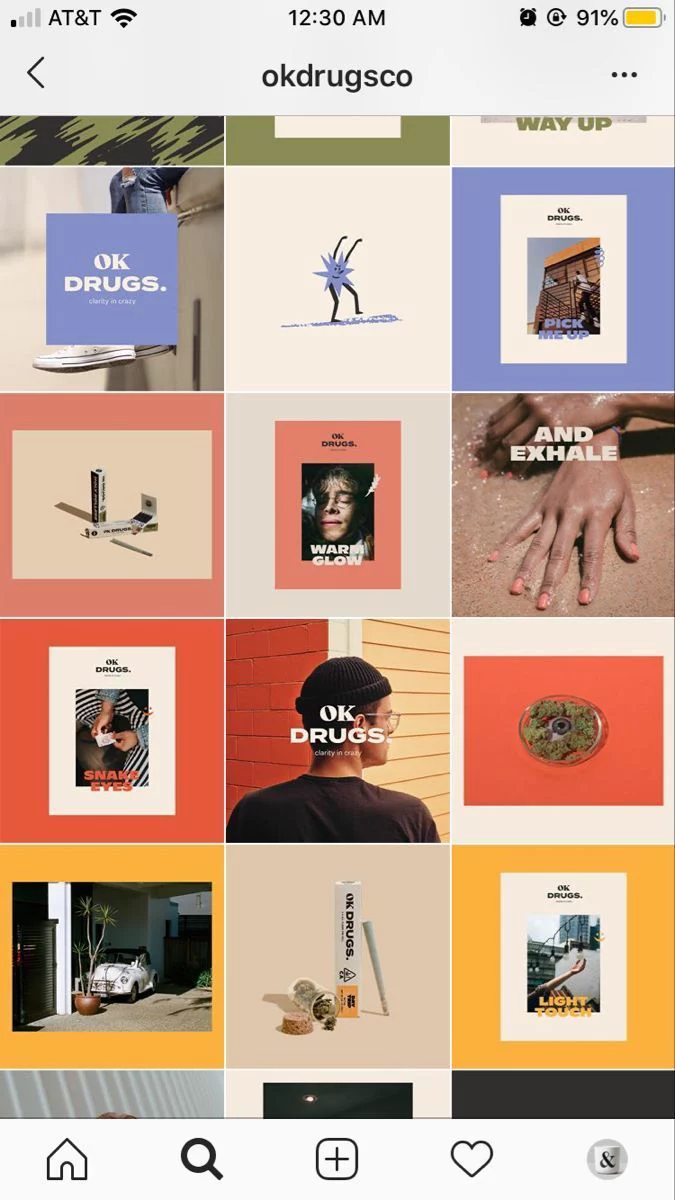
When Social Media Alone Isn't Enough
When a Restaurant Loses Its Only Channel Overnight
Picture a popular restaurant in Parnell, Auckland that has built its entire business on Instagram. A big following. Beautiful food photography. Reels that travel. No Google Business Profile, let alone a website.
One morning, their account got disabled. Someone reported them (possibly a competitor, possibly a bot). Instagram's automated system locked the account. No warning. No explanation. No appeal process that actually worked.
Result? Zero online presence. Customers who searched for the restaurant by name on Google found nothing. No menu. No phone number. No address. Every day that account stayed locked was a day of hungry people looking for them and finding a competitor instead.
If they'd had a basic website, customers could have still found them on Google. Their menu, location, and phone number would have been right there. The whole nightmare simply wouldn't have happened.
When a Boutique Hits a Ceiling It Can't Explain
A women's clothing boutique selling through Instagram DMs can do solid, steady business for years — and still hit a ceiling nobody in the shop can explain.
Why? Because Instagram mostly sells to people who already follow you. There's no way for someone searching "designer dresses Auckland" on Google to find an Instagram shop. That boutique is invisible to everyone who hasn't already found the account.
Launch a simple e-commerce website with proper SEO and a second channel opens up: people searching for exactly what you sell, who have never heard of you on Instagram, arriving ready to buy.
When a Tutoring Centre Can't Scale Past WhatsApp
A tutoring centre running everything through WhatsApp groups and a Facebook page has the opposite problem. Enquiries come in, but the owner spends hours every day answering the same three questions: "What are your fees?", "What's the batch timing?", "Where is the centre?"
A website with an FAQ section, course details, timetables and an enquiry form takes most of those repetitive questions off your plate. You get your time back, and the enquiries that do arrive come from people who have already read the details and are ready to enrol.
5 Reasons Your Business Needs a Website (That Actually Matter)
1. You Own Your Website. You Don't Own Social Media.
This is the big one. Your Instagram, Facebook, YouTube — these are rented land. The platform decides who sees your content, when they see it, and whether your account stays active.
Remember when Instagram's algorithm changed in 2024 and organic reach dropped by 40% for business accounts? Thousands of businesses that depended solely on Instagram saw their engagement — and sales — collapse overnight.
Your website? You own it. Your domain. Your content. Your customer data. No algorithm can take that away from you. It's the one piece of digital real estate that's truly yours.
2. Google Search Is Still Where Buying Decisions Start
Here's a stat that surprises most people: 68% of online experiences still begin with a search engine (BrightEdge, 2025). Not Instagram. Not YouTube. Google.
When someone in Auckland searches "best digital marketing agency near me" or "affordable wedding photographer in Auckland," they're going to Google. If you don't have a website, you literally don't exist for these high-intent buyers.
These aren't casual browsers. These are people with their wallet out, actively looking for what you sell. And without a website optimised for search engines, you're handing all those customers to your competitors who do have one.
3. Credibility and Trust — The "Real Business" Factor
Let me be blunt: in 2026, a business without a website looks shady. I don't mean to offend anyone, but that's the reality. When a potential customer or client is evaluating you — especially for anything that isn't a trivial purchase — the first thing they do is search for your website.
No website? They think:
- "Is this a legit business or a scam?"
- "Are they too small to take seriously?"
- "If they can't invest in a website, how professional can their service be?"
Having even a simple, clean website with your services, about page, testimonials, and contact info immediately puts you in a different category. You go from "random Instagram page" to "real business."
4. The Customer Journey Doesn't Start and End in DMs
Here's how real customers actually buy in 2026:
- Awareness — They see your ad, your reel, a friend's recommendation, or a Google result
- Research — They search for your business name, read reviews, visit your website, compare options
- Decision — They check your pricing, portfolio, testimonials, and credibility signals
- Action — They contact you, place an order, or visit your store
A website supports every single step of this journey. Instagram only helps with Step 1 (and sometimes Step 2). If you don't have a website, you're leaking potential customers at every stage.
5. A Website Works for You 24/7 (Even While You Sleep)
Your Instagram post gets buried in 48 hours. Your story disappears in 24 hours. But a well-optimized website page can generate leads for years.
A single well-optimised page can keep bringing in search traffic years after you publish it. No ad spend. No boosting. Just solid content that ranks on Google. That's the power of a website combined with good SEO.

What Does a Business Website Cost in New Zealand in 2026?
This is the question I get the most. We don't publish a price list — the honest answer is that it depends on scope — so here's what that scope actually looks like, and what you're buying at each level.
| Type of Website | What It Includes | Best For |
|---|---|---|
| Single Landing Page | One page, one message, one call to action | Freelancers, personal brands, event pages |
| Basic Business Website (5-7 pages) | Home, about, services, contact, blog, basic SEO setup | Local businesses, service providers, restaurants |
| Professional Business Website (10-20 pages) | Custom design system, content templates, CRM or booking integration | Growing businesses, agencies, clinics |
| E-commerce Website | Product catalogue, cart, payments, shipping and GST rules, order tracking | Product-based businesses, D2C brands |
| Custom Web Application | Bespoke functionality, user accounts, dashboards, third-party integrations | SaaS products, portals, complex platforms |
The honest truth: most small businesses in New Zealand need a basic to professional website, and the build is a one-off investment in something you keep — unlike ad spend, which stops working the moment you stop paying.
A website is an asset. Ads are an expense. There's a fundamental difference.
Types of Websites: Which One Do You Actually Need?
Landing Page
A single-page website with all essential info. Great if you're just starting out, running a specific campaign, or need something up fast. Think of it as a digital business card on steroids.
Full Business Website
Multiple pages — Home, About, Services, Portfolio/Gallery, Contact, Blog. This is what 80% of small businesses need. It covers all the bases, ranks on Google, and gives potential customers everything they need to make a decision.
E-commerce Website
If you sell products, you eventually need this. Product listings, cart, payment integration (Stripe, Windcave, Afterpay), order tracking. Stop taking orders through DMs and screenshots — you're losing customers to the friction.
Web Application
Think a booking platform, a marketplace, or your own SaaS product. This is for businesses that need custom functionality beyond a standard website. Most small businesses don't need this — but if you do, let's talk.
What Makes a Good Business Website in 2026?
Not all websites are created equal. I've seen expensive websites that look beautiful and generate nothing, and modest ones that bring in enquiries week after week. The difference is in the fundamentals:
- Mobile-first design — 75%+ of your visitors will come from phones. If your site looks terrible on mobile, you've already lost them.
- Fast loading speed — If it takes more than 3 seconds to load, 53% of visitors leave. That's not an opinion; that's Google's own data.
- Clear call-to-action — What do you want visitors to do? Call you? Fill a form? Buy something? Make it obvious. Don't make them hunt for your phone number.
- SEO fundamentals — Proper page titles, meta descriptions, heading structure, alt text on images. Without these, Google can't rank you even if your site looks amazing.
- Trust signals — Testimonials, client logos, certifications, case studies. People need proof before they trust a business they just found online.
- Contact information — Phone number, WhatsApp link, email, address, Google Map embed. Make it ridiculously easy for people to reach you.
- SSL certificate — The padlock icon in the browser. Without it, Chrome literally warns visitors that your site is "not secure." That's a conversion killer.
A good brand identity tied into your website design makes all of this come together. Your website shouldn't just function well — it should feel like your brand.
Common Excuses — Debunked
"I Don't Need a Website, My Business Is Running Fine"
Running fine and running at full potential are two very different things. You don't know what you're missing because you can't see the customers who searched for you, didn't find you, and went to a competitor instead. You're not losing customers dramatically — you're just never getting them in the first place.
"Websites Are Too Expensive"
Expensive compared to what? Rent, stock and ad spend all recur every month and leave nothing behind. A website is a one-off build plus a modest running cost — and unlike a phone that depreciates, a website appreciates. It gets more valuable as it ages and builds authority on Google.
"Social Media Is Enough"
Social media is excellent for awareness. It's terrible for everything else in the customer journey. You can't rank on Google with an Instagram page. You can't control the algorithm. You can't build an email list. You can't showcase your full portfolio. You can't accept payments natively. I could go on.
Social media and a website aren't either/or. They're peanut butter and jelly. They work best together. Use social media to drive traffic to your website, and use your website to convert that traffic into paying customers.
"I'll Get One Later When I Grow"
This is like saying "I'll start working out after I get fit." A website helps you grow. It's not a reward for growth — it's a tool for growth. The businesses that wait are always playing catch-up with the ones that invested early.
"My Customers Don't Search Online"
With all due respect — yes, they do. Almost every New Zealander with a phone searches before they buy. Your uncle might not look for businesses online, but your target customers absolutely do. Even if they find you through word-of-mouth, the first thing they do is Google your business name to check if you're legit.
Website + SEO + Social Media: The Winning Combination
Here's the strategy that actually works for small businesses in New Zealand in 2026:
- Build a clean, fast website with your services, about page, testimonials, and contact info
- Optimize it for Google with proper SEO — so people find you when they search
- Use social media to build community, share content, and drive traffic to your website
- Run targeted ads (Google or Meta) pointing to your website, not your Instagram
- Collect leads through your website forms and build an email/WhatsApp list you own
This isn't rocket science. It's common sense. But the businesses that follow this simple framework consistently outperform the ones still relying on Instagram DMs alone.
Ready to Get Serious About Your Online Presence?
Look, I'm not saying Instagram is bad. I love Instagram. We run social media accounts for clients every day. But depending only on social media for your business is like building a house on someone else's land. It works until it doesn't.
If you're a small business owner in New Zealand and you've been putting off getting a website — 2026 is the year to stop making excuses. The costs have come down. The tools have gotten better. And your competitors are already doing it.
Frequently Asked Questions
How much does a business website cost in New Zealand in 2026?
There's no single number, and any agency that quotes one before understanding your scope is guessing. What moves it: how many pages and templates you need, whether the design is bespoke or built on a theme, whether you're selling online, how much content and photography has to be created from scratch, and what the site has to integrate with. A DIY build on Wix or Squarespace is the cheapest in cash and the most expensive in SEO and flexibility. Tell us what the site has to do and we'll scope it properly.
Does a New Zealand small business really need a website if it's already active on Instagram?
Yes — and the distinction matters. Instagram is a rented platform. Meta can change its algorithm tomorrow, suspend your account, or throttle your reach — and you have no control. Your website is your property. On top of that, Instagram doesn't show up in Google search — when someone types "best AC repair service Auckland" into Google, your Instagram profile isn't going to appear. A website gives you both advantages: ownership and search visibility.
How long does it take for a new website to rank on Google?
A newly launched website typically takes 4–6 months to rank for basic local keywords and 8–12 months for competitive terms. That timeline accelerates if your on-page SEO is solid, your loading speed is fast, and you publish blog content regularly. For local businesses — a dentist in Mt Eden or a boutique in Ponsonby — a Google Business Profile alone can start showing up in local searches within 2–3 months, well before the website ranks.
What features does my business website actually need in 2026?
Non-negotiables: mobile-first design (75%+ of New Zealand users browse on mobile), under-3-second loading speed, a WhatsApp or click-to-call button, SSL (https), and clear service pages that explain what you offer and why someone should choose you. Nice-to-haves: client testimonials with photos, before/after results where applicable, an FAQ section, and a blog for SEO. The single thing most businesses miss: a clear primary call-to-action visible on every page — a phone number or contact button that stays visible as users scroll.
Does having a website make Google Ads cheaper?
Yes. Google Ads Quality Score is partly based on your landing page relevance and experience. A fast, well-structured website where the ad copy and the landing page content line up earns a better Quality Score, and a better Quality Score means you pay less for the same click. In plain terms: Google rewards good websites with cheaper ad costs. Businesses that send ad traffic straight to Instagram pay twice over — more per click, and more in missed conversions, because Instagram pages aren't built to close a sale.
We've helped businesses across New Zealand build websites that actually generate leads — not just look pretty. If you want to talk about what a website could do for your specific business, reach out to us. No pressure, no hard sell — just an honest conversation about what makes sense for you.